
Azores Surf Forecast Explained - A Practical Guide for Intermediate Surfers
How to Find the Right Waves for your Level? You check the forecast, you see swell… But you still don’t know where, when, or if it’s right for you
🌦️ Why Is the Surf Forecast so Confusing in the Azores?
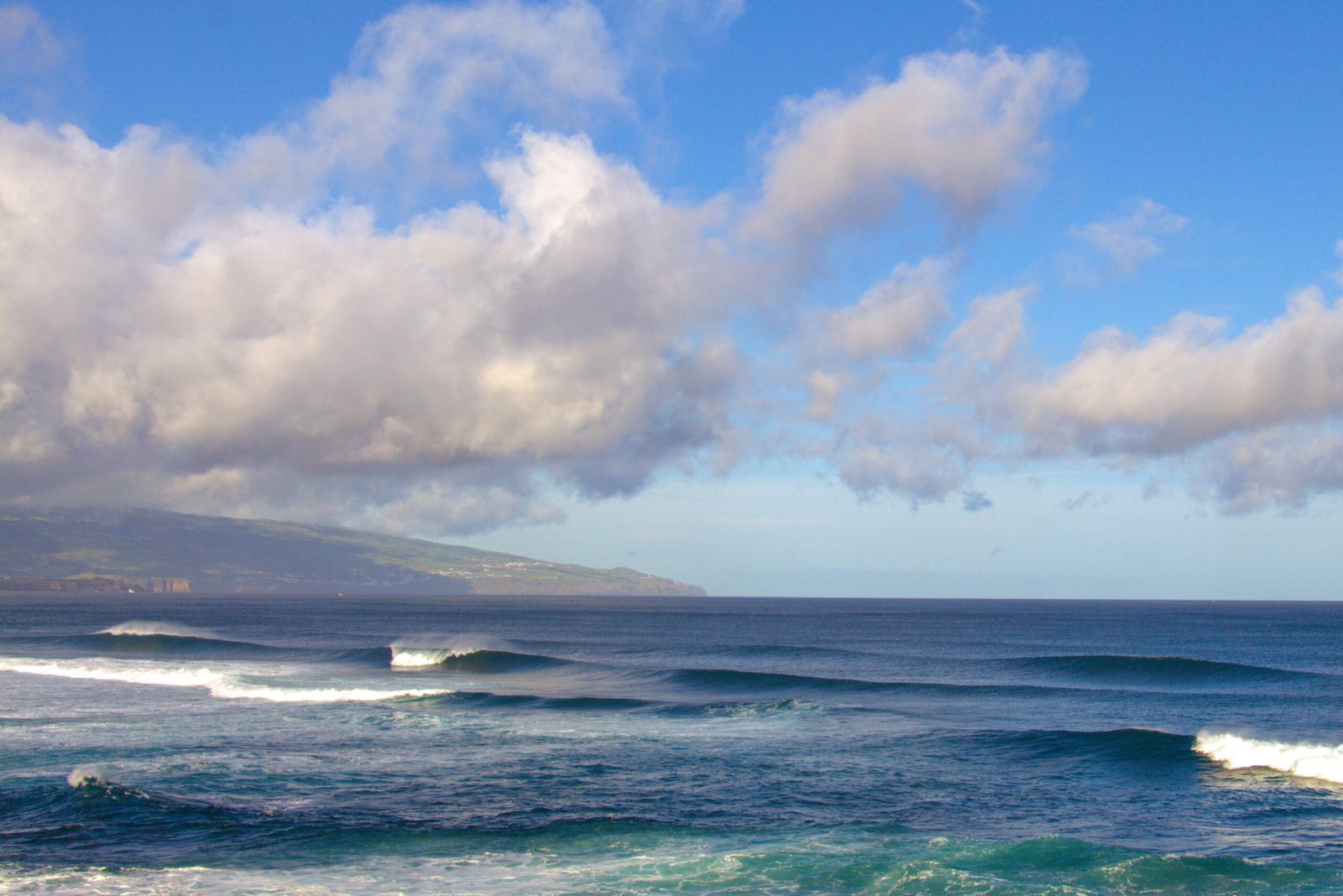
The Azores sit in the middle of the North Atlantic, exposed to multiple swell directions, fast-moving weather systems, and volcanic coastlines.
This means:
- Size of the swell doesn’t mean the same size of the waves
- One spot works while another completely shuts down
Low period swell can work well in certain spots
Onshore wind that’s actually proper for a specific bay
Flat conditions depending on the tide regardless the swell
- Too big swell is needed for a certain spot to work
For intermediate surfers, this creates frustration:
“I know there are waves — I just can’t find the right ones.”
🌦️How are the Surf Conditions in the Azores
Surf conditions vary greatly, but here are some important points:
- Water Temperature:
Ranges from 16°C in winter to 24°C in summer.
Most surfers wear a 3/2mm wetsuit in spring and autumn, and some locals go with just a board shorts in summer. - Wind Patterns:
The islands often experience 3 variable winds that are the most consistent: Offshore in the south coast is N/NW/NE; Offshore in the north coast is S/SE/SW. The side shore that works well in the both sides is E.
- Tides: can strongly affect wave quality. Some spots work better on low tide (south coast) , others on mid or high (north coast).
- Wave Height:
Winter surfable waves can reach up to 2–3 meters (6–12 feet) on exposed spots.
Summer waves are often 0.5 to 1.5 meters (2–5 feet) – great for all levels.
☀️ How is the Surf During Summer in the Azores
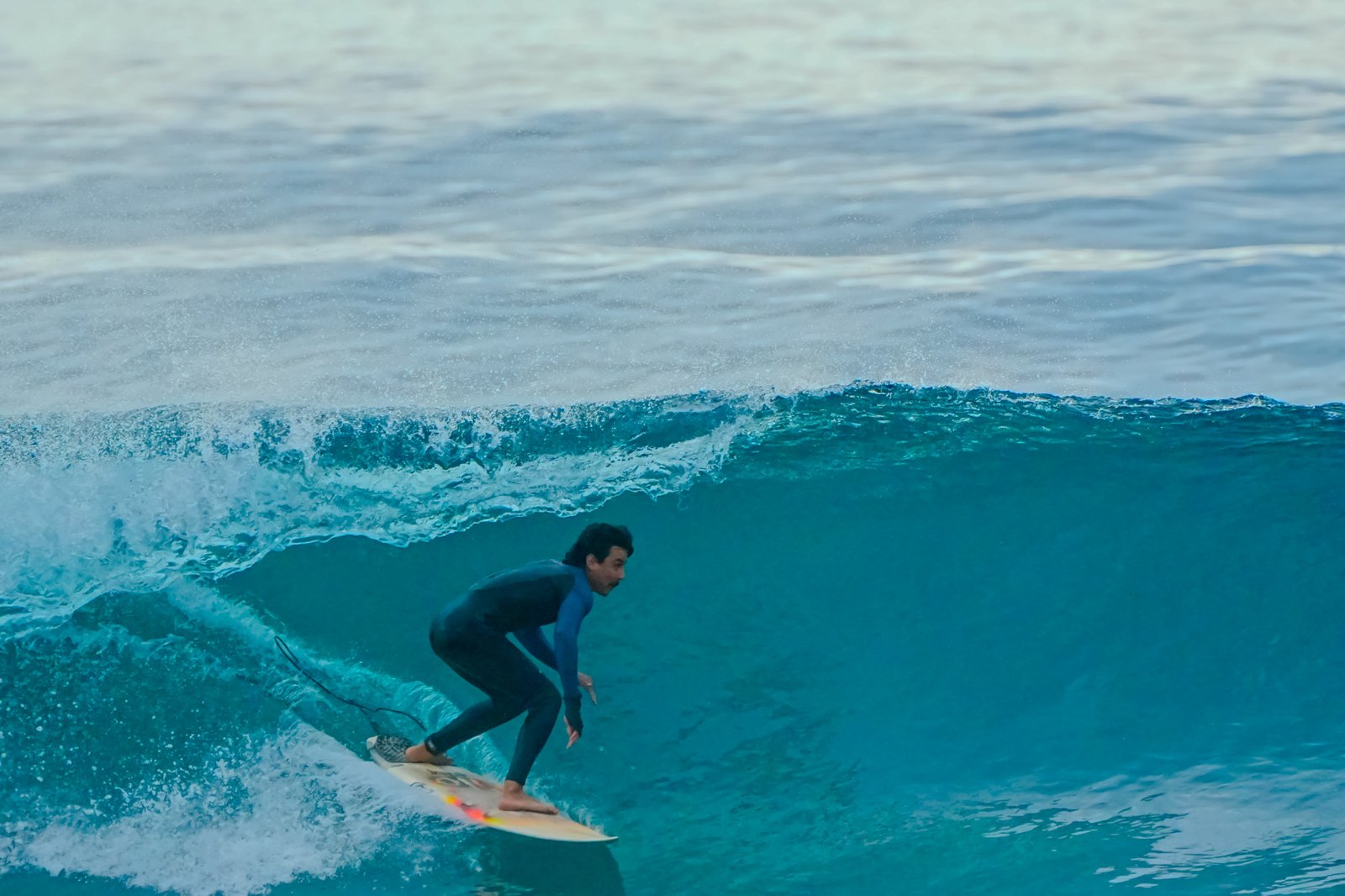
The best season for a surf trip to Azores is during mid summer and here is why: South swells are often happening wich is called Inchas. It has strong energy, solid size and offers long rides. North swells are all year breaking but during summer time it’s much more gentle for all level of surfers.
📍 Best Surf Spots in the Azores - São Miguel Island
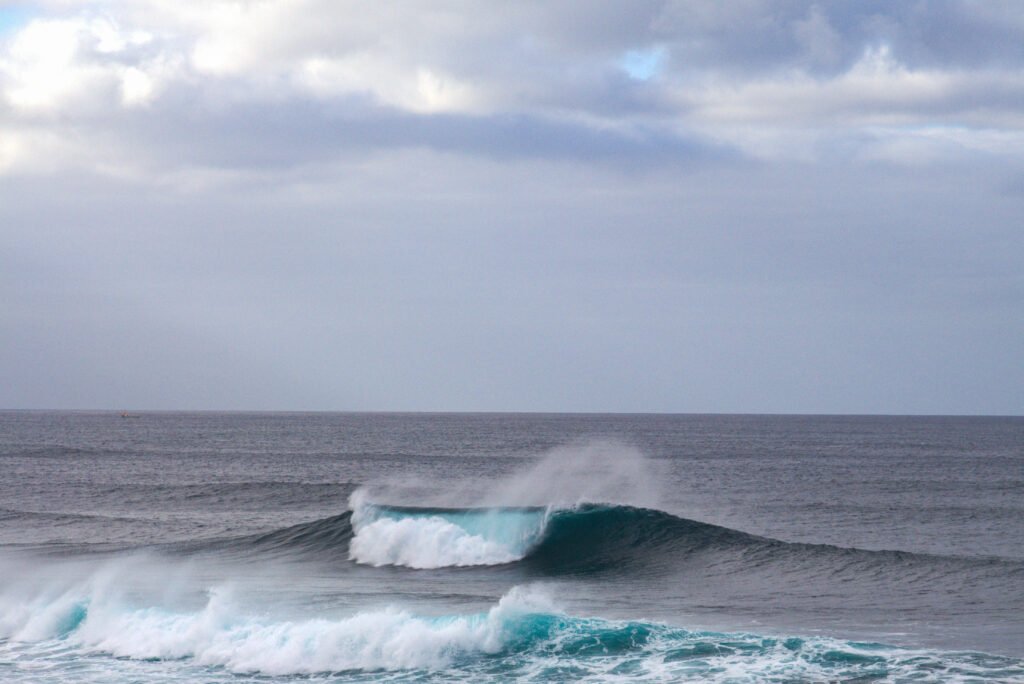
Santa Bárbara Beach (Ribeira Grande)
- Type: Beach break
- Best for: All levels (depending on swell size you can have wedge barrels or solid bigger waves with long rides)
- Notes: The most famous and consistent spot.
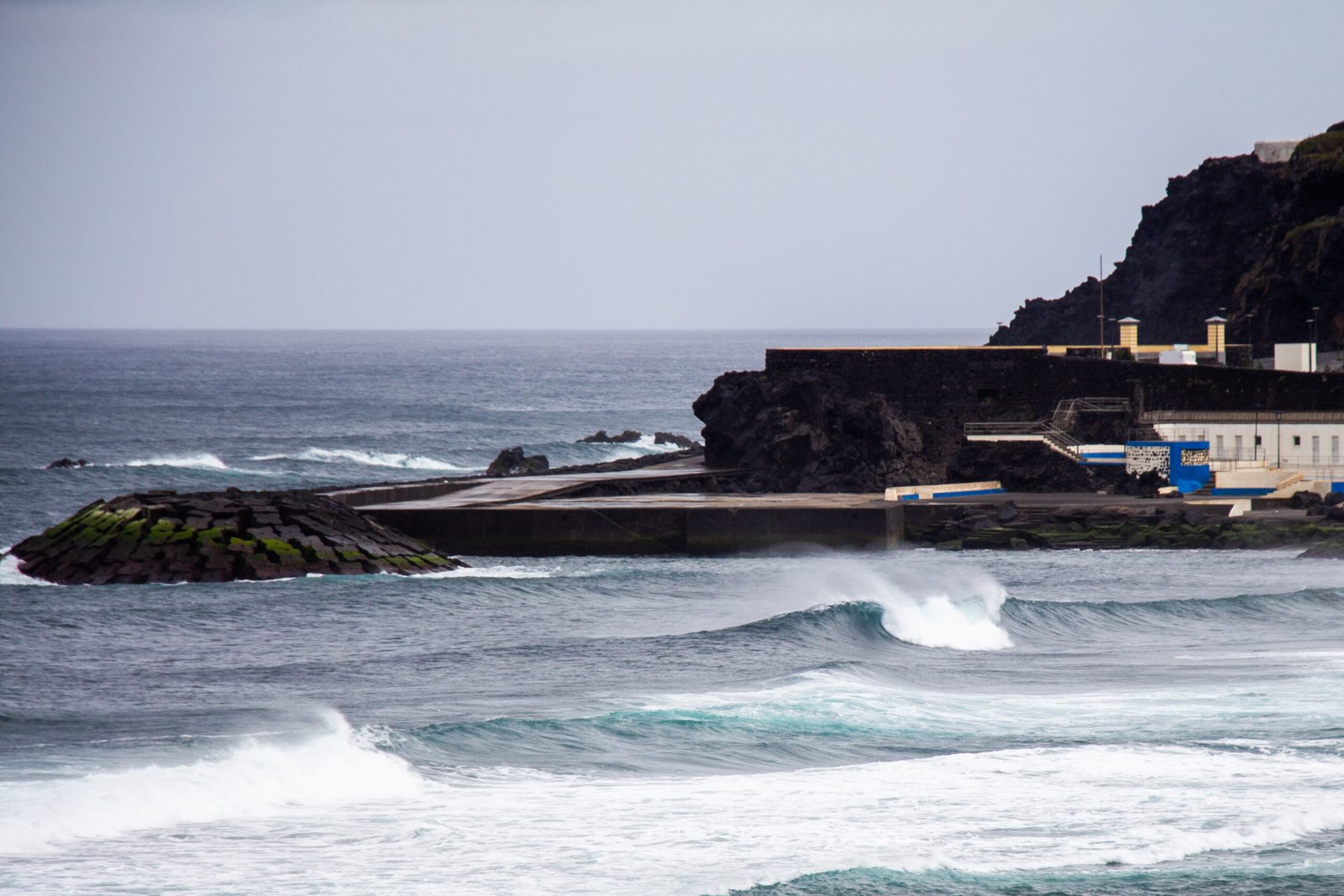
Monte Verde (next to Santa Barbara)
- Type: Beach break
- Best for: Beginners and Intermediates
- Notes: Peaky waves with long rides on small-to-medium days and very consistent
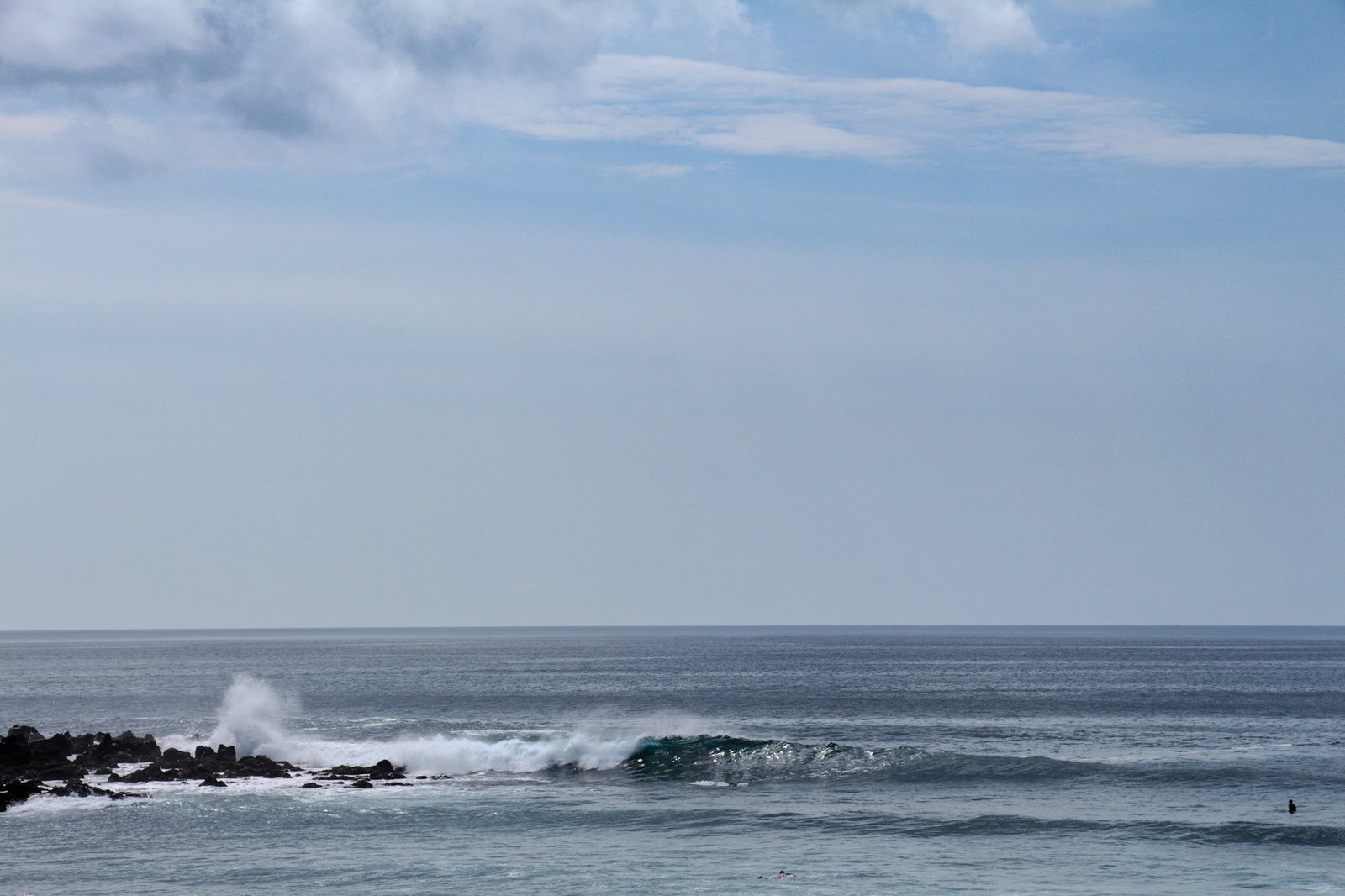
Praia das Milícias (Ponta Delgada area)
- Type: Beach break
- Best for: Beginners and longboarders
- Notes: Small and fun waves, perfect for first-timers and intermediate
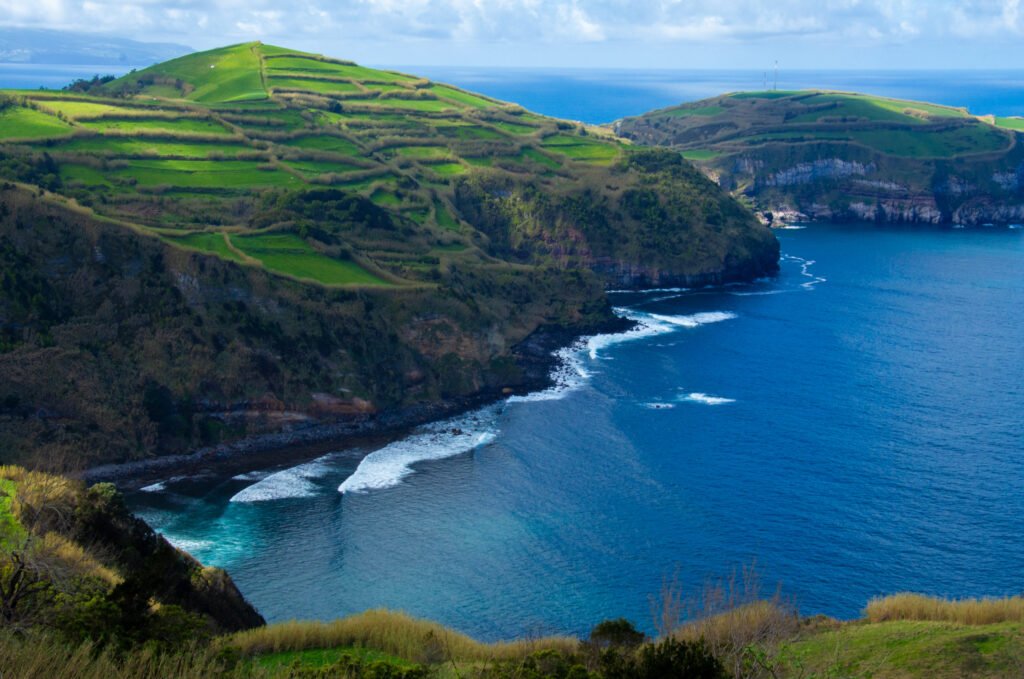
Santa Iria
- Type: Point break, rocky
- Best for: Intermediate and Advanced
- Notes: Long lefts on big swell days, it must be over 2 meters NW swell. The wind doesn’t really affect much but it’s better with no wind
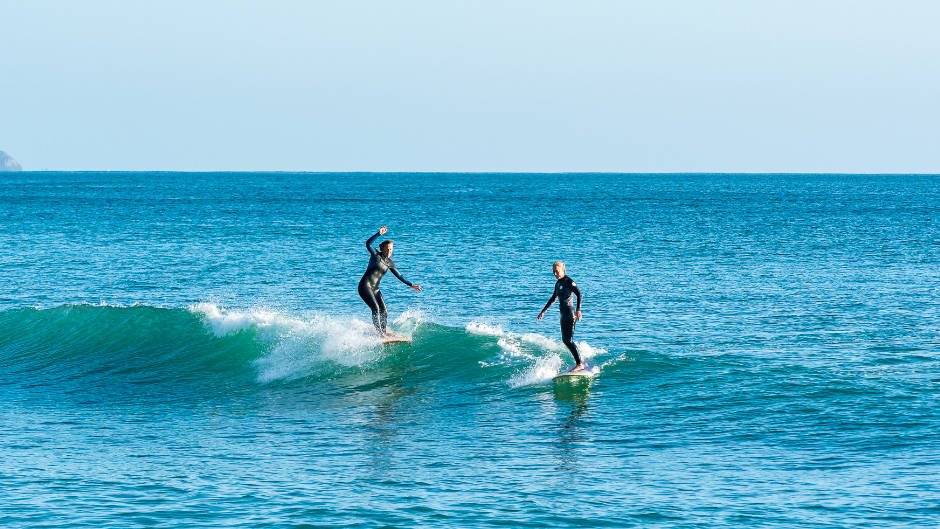
Agua Dalto
- Type: Beach break
- Best for: all surfers
- Notes: That can be an alternative of the crowd, long rides, fun and calm. It’s good with the Inchas type of swell and also E wind It is ok to surf.
🧠 What Most Intermediate Surfers Get Wrong About Forecasts
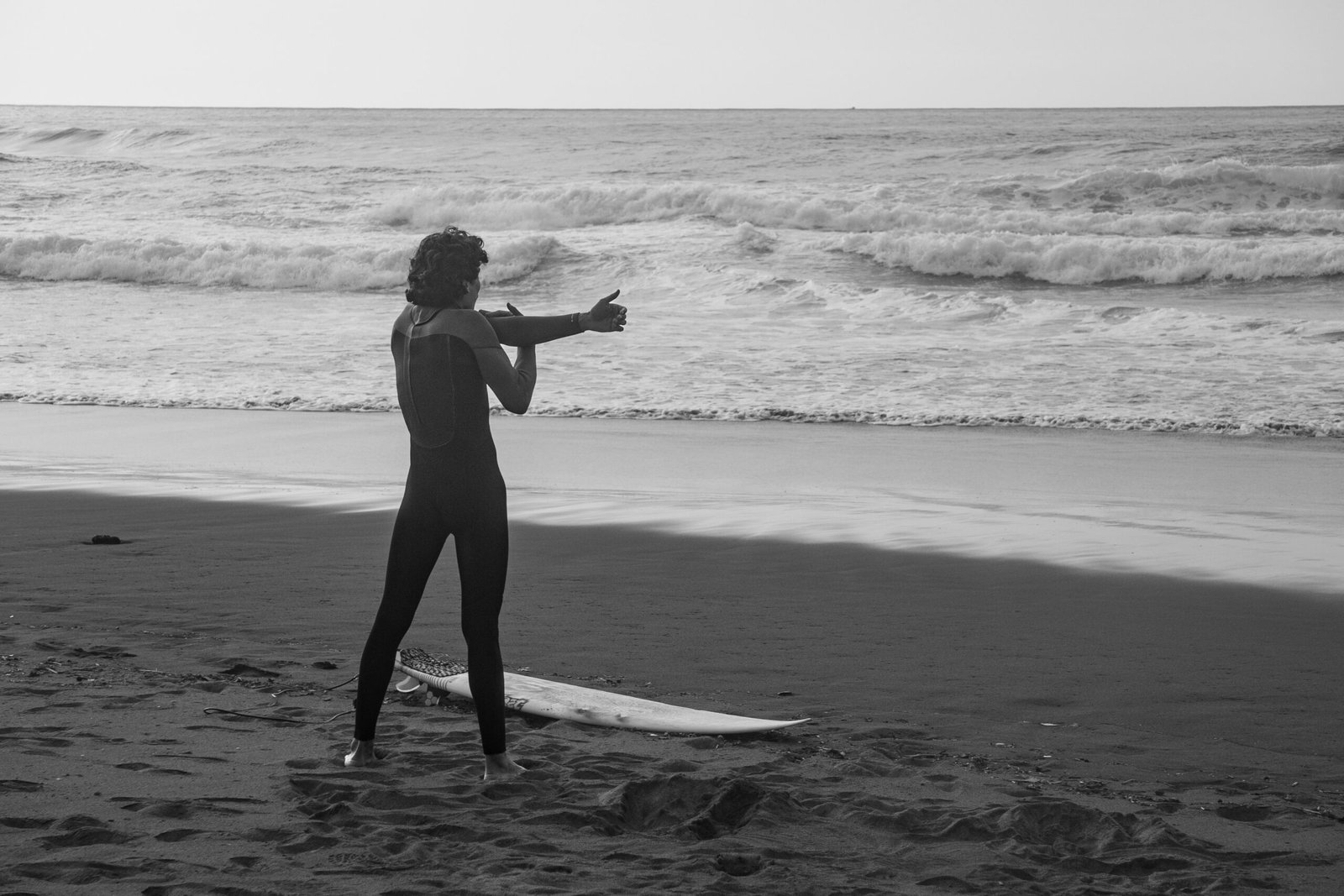
Most surfers focus on only one variable — usually swell size.
But good waves depend on the combination of:
- Swell Direction
- Swell Period
- Swell Energy
- Tides
- Wind Direction
- Wind Strength
- Type of Breaks
- Spot Orientation
- Currents
📉 Why One App Alone isn’t Enough
Forecast apps show data — not decisions.
They don’t tell you:
- Which spot matches your level
- When conditions cross from fun to dangerous
- Why locals choose one beach and skip another
That gap between information and understanding is where most intermediate surfers get stuck.
🧭 How Locals Actually Read the Surf Forecast
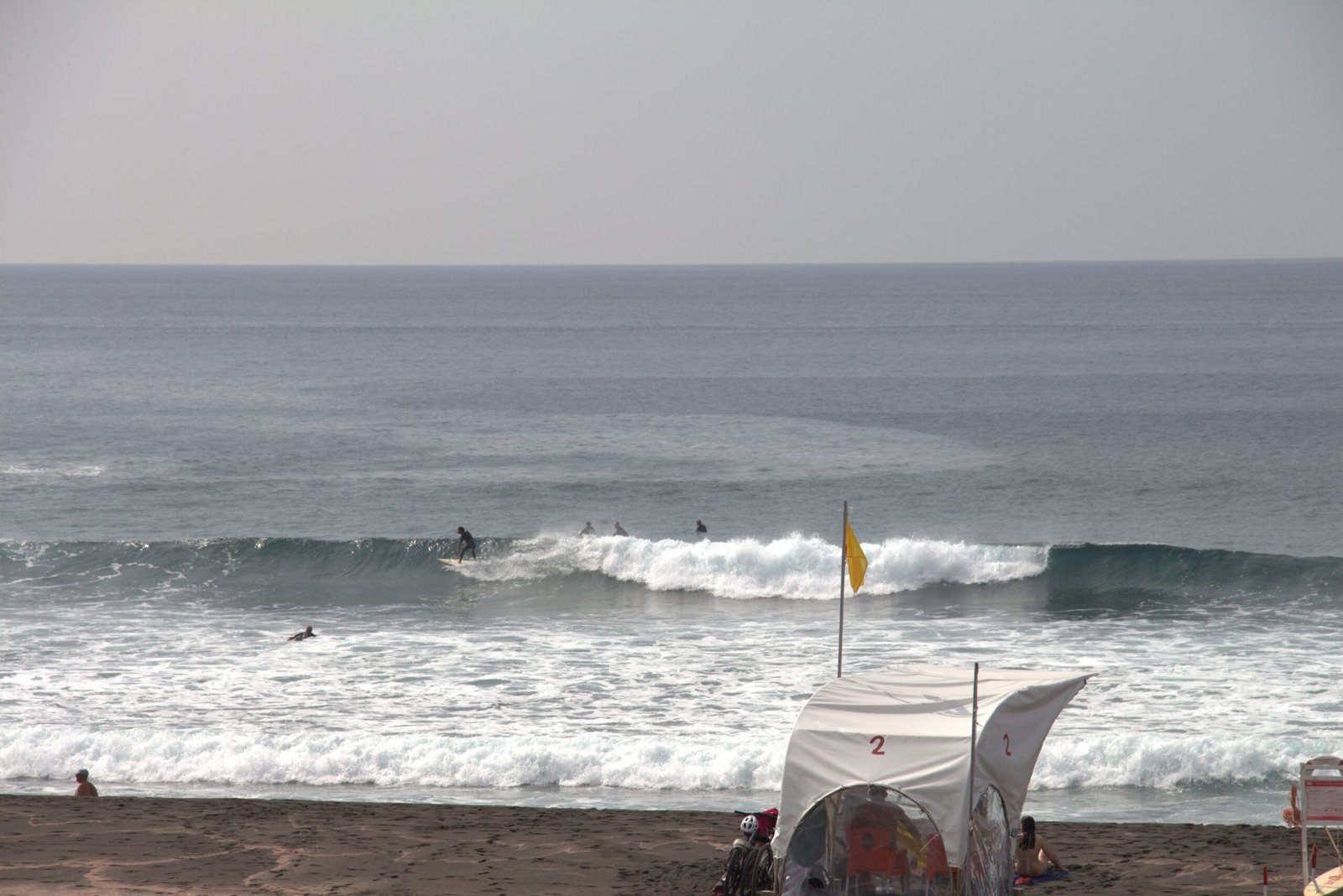
Local surfers don’t ask just:
“How big is the swell?” They ask:
- Where is this swell coming from?
- Which coast will be protected?
- What time will the wind shift?
- How will be the tide on that day?
- How strong is the swell’s energy?
Once you understand this logic, the forecast stops being confusing — and starts making sense.
❓ How Do You Learn to Find Good Waves that Matches Your Level?
You have two options:
Option 1: Trial and Error
- Waste sessions
- Surf wrong spots
- Risk your life
- Learn slowly
Option 2: Learn the System
- Understand all the surf forecast topics
- Know what to look for before paddling
- Choose waves according to your level
- Learn the surf talk to get informations from local surfers
This is exactly what Forecast Master teaches.
Forecast Master: Your Step-by-Step Guide to Reading Surf Reports Like a Local
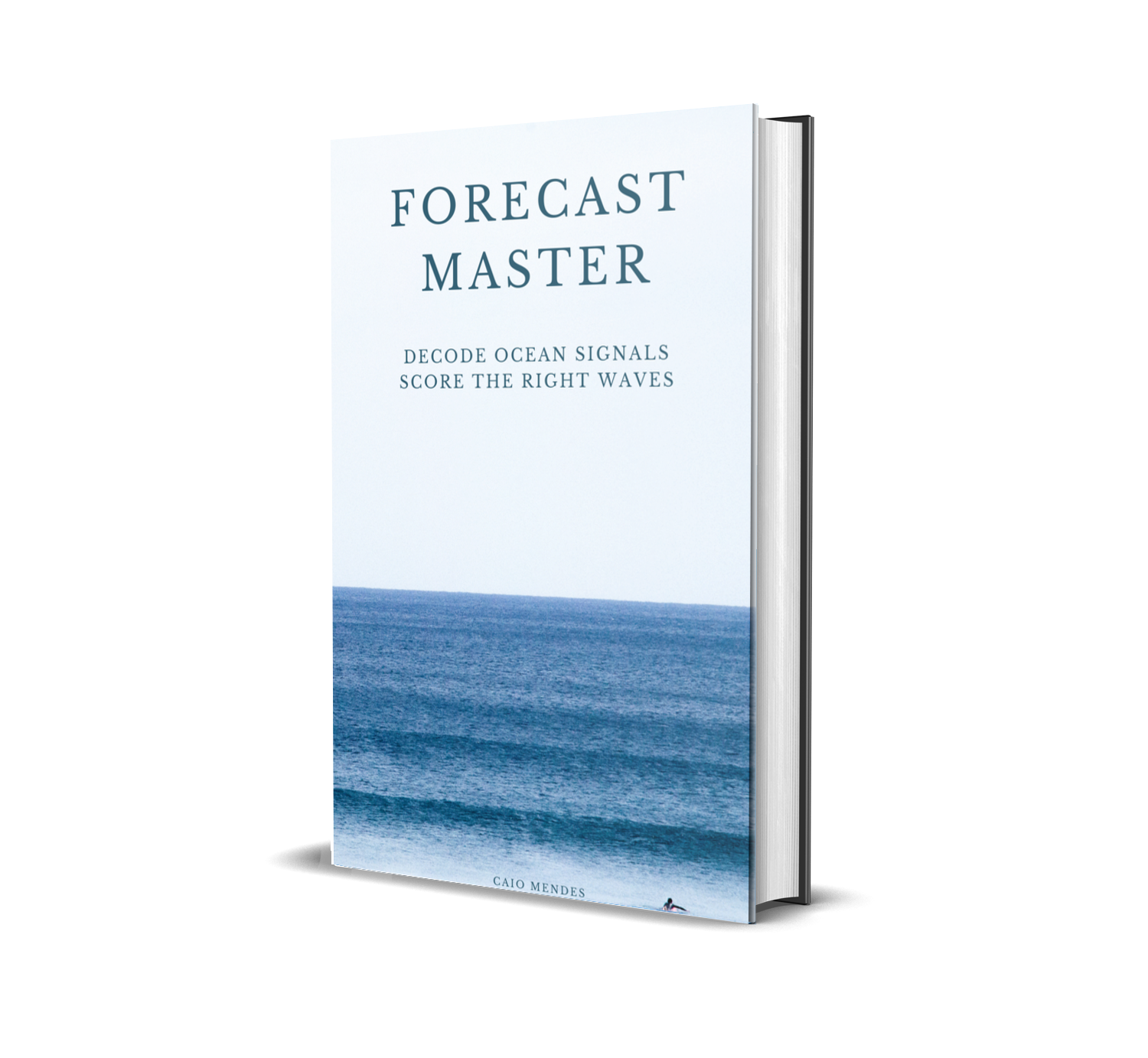
Forecast Master is a practical ebook created for intermediate surfers who want to stop guessing and start understanding.
Stop guessing and start finding good waves on your own
Find the right waves for your level
Stop wasting sessions and surf better, more often
Understand swell, wind, tide, and wave types
Become an independent surfer anywhere in the world